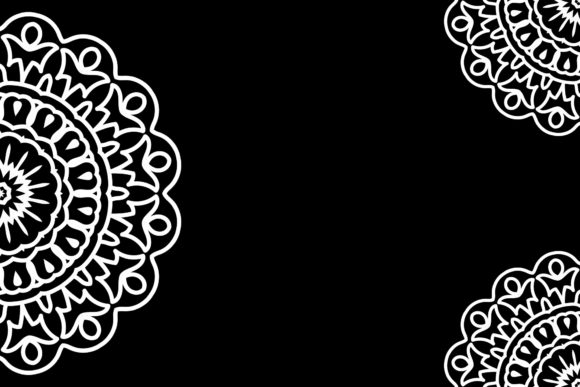
White Mandala Ethnic Background: A Designer’s Real-World Review
As an embroidery designer with years of hands-on experience, I’ve had the chance to work with countless design files. When I first opened White Mandala Ethnic Background, I was immediately struck by its subtle elegance and cultural resonance. This is not just another floral or geometric pattern—it’s a thoughtful vector-based graphic that carries both depth and simplicity in equal measure. In this review, I’ll walk through how this design holds up in real-world embroidery projects, what it brings to the table visually and technically, and where you might want to use it carefully.
First Impressions: Mood and Visual Personality
The White Mandala Ethnic Background has a calming, spiritual vibe that makes it ideal for creating handmade products with a touch of mindfulness or global inspiration. Its intricate yet balanced layout suggests a background rather than a focal point, which is perfect for setting a tone without overpowering the main design elements.
Visually, the mandala repeats in a way that feels intentional and cohesive. It doesn’t look like a rushed clipart-style repeat but instead offers a fluid transition between motifs. The white color palette means it can be paired with almost any thread color, making it highly versatile. However, it also requires a bit more consideration when choosing your fabric and thread colors—something I’ll dive into later.
Where This Design Feels at Home
I immediately thought of using this on a custom sweatshirt for a boutique client who wanted something soft and ethereal for their fall collection. But there are many other possibilities. The ethnic feel of the design could easily complement a yoga mat, a meditation cushion, or even as part of a printable mockup for digital product sellers.
Performance in Real Embroidery Projects
Embroidery isn’t just about looking good on screen—it has to stitch well in the real world. Let’s break down how White Mandala Ethnic Background performs across different types of embroidery projects:
- Tote Bag Design: As a background element, this mandala adds texture and interest without overwhelming the message or logo. Just make sure to keep text or primary graphics outside the pattern area to avoid visual clutter.
- Sweatshirt Embroidery: On thicker fabrics like fleece, the design maintains clarity. The repeating nature works especially well on larger areas such as the back panel or sleeves, giving a continuous ethnic aesthetic.
- Baby Embroidery: While the design itself is elegant, I’d recommend pairing it with softer pastel threads and simpler accents to maintain the gentle, non-overstimulating look that’s often preferred for baby items.
- Embroidered Patch: The mandala could serve as a border or background for a patch, especially if you’re aiming for a bohemian or festival-inspired style. Just be mindful of the overall size and how much detail will remain visible after cutting away stabilizer.
- Pillow Cover Embroidery: Here, the design really shines. The flow of the mandala wraps around the pillow nicely, and since pillow covers are often made from cotton or linen, the details come out crisp and clean.
- Holiday Embroidery: Think of this as a backdrop for holiday cards or personalized gifts. For example, adding “Merry Christmas” over the mandala on a tea towel gives it a unique, artisanal twist.
Commercial Use and Brand Consistency
If you're an Etsy seller or run a small shop selling embroidered apparel, this design can add a consistent visual theme across multiple items. It helps build brand recognition, especially if you’re targeting customers interested in wellness, spirituality, or global artistry.
For digital embroidery file creators, it’s a great asset to include in bundles or templates. You can pair it with minimalist text or symbols for a quick, high-quality download option. The key is ensuring it aligns with your existing design assets so it doesn’t feel mismatched.
Where to Use With Caution
Not every project is a match for this design. Here are some scenarios where White Mandala Ethnic Background may require extra attention:
- Small Hoop Sizes: The design contains fine lines and curves that may get lost when scaled down. Always check the minimum hoop size required before starting your project.
- Textured or Stretchy Fabrics: If you plan to stitch this on a cap or a stretchy athletic wear fabric, the results may vary. The stitch density needs to be adjusted accordingly to prevent puckering or distortion.
- Dark Fabric Backgrounds: Since it's a white design, stitching it onto black or navy fabric will still give a nice contrast, but consider whether your machine can handle light thread colors effectively.
- Frequent Washing: If the design is used on kitchen towels or aprons that get washed often, ensure the thread quality and tension settings are optimal to prevent fraying or fading.
Also, take note of the design layout. Because it's a background, it’s meant to recede slightly and not be the main attraction. If you’re working with detailed corners or curved surfaces, you may need to adjust the edges manually or choose a different version that fits better.
Impact on Product Value and Customer Perception
This design elevates the visual appeal of any handmade product it's applied to. Customers appreciate when patterns feel intentional and culturally respectful rather than tacky or mass-produced. The ethnic background adds a sense of authenticity and craftsmanship that can justify a higher price point, especially in niche markets like eco-friendly fashion or spiritual-themed goods.
When used correctly, the white mandala can enhance customer trust by showing that your products are designed with care and attention to detail. It’s a subtle way to communicate professionalism and creativity—both essential for standing out in competitive spaces like Etsy or craft fairs.
Design Notes for Practical Application
Before stitching anything into a finished product, always test the design on scrap fabric. I recommend trying it on cotton, linen, and even synthetic blends to see how it behaves. Check the thread color contrast against your chosen fabric—sometimes a light thread on a light fabric can lose its impact.
Review the stitch density and make sure it won't cause puckering, especially if you're layering it under other embroidery elements. Confirm the recommended hoop size from the file metadata (if available), and inspect any small details to ensure they stitch cleanly.
Testing in a black and white mockup can help you visualize how the design will appear in grayscale, which is useful for preview images or printed packaging. Comparing it on both light and dark fabric backgrounds is also important for understanding how versatile it truly is.
Don’t forget to use the appropriate stabilizer—especially for delicate or stretchy materials. And if you're planning to sell the finished product or digital file, double-check the licensing terms to ensure you're compliant with commercial use rules.
Final Thoughts for Embroidery Creators
The White Mandala Ethnic Background is a valuable addition to your design toolkit, especially for those working in the craft business or creating personalized gifts with a touch of culture and mindfulness. It’s not a one-size-fits-all solution, but with a little customization and testing, it can become a signature element in your embroidery project portfolio.
Whether you're preparing a custom apparel piece for a boutique order or designing small shop product samples for a launch, this design offers the kind of subtle sophistication that can turn a basic item into something memorable.
So go ahead—download the vector design, play with placement, and don’t shy away from experimenting. Just remember to stitch smart, test thoroughly, and let your creative instincts guide the final presentation.